

Halloween is a prime opportunity for businesses to engage with their audiences on social media. The holiday’s festive atmosphere lends itself to creative content that can capture attention and drive interaction. But you can’t just post a spooky photo or two. You need a well-thought-out strategy to keep your brand in the conversation all month long.
This guide offers 26 actionable ideas to help your business make the most of Halloween on social media, whether you’re looking to boost engagement, promote products, or simply join in on the seasonal fun.
1. A countdown to Halloween
Creating a countdown to Halloween is a great way to keep your audience engaged throughout October. Post something each day (or, at least, most days) leading up to the holiday, like fun facts, trivia, or even short contests.
For example, you could share historical tidbits about Halloween traditions or showcase unique costume ideas. This daily engagement helps keep your brand visible and active in followers’ feeds. It also encourages your audience to interact with your posts regularly, whether it’s through comments, likes, or shares.
Consistency is key here. Plan your content in advance so that you have a clear idea of what to post each day. Use a variety of content formats, such as images, short videos, and polls. Variety is the spice of life and social media is no different. Make sure your visuals align with your brand’s style while incorporating subtle Halloween elements.
When planning your countdown, consider your audience’s preferences. If your followers respond well to educational content, focus on trivia or “Did you know?” posts. If they enjoy humor, use light-hearted jokes or memes related to Halloween. Tailoring your approach helps keep the content relevant and engaging.
2. Halloween-themed profile pictures and banners
Updating your social media profile pictures and banners with Halloween elements is an easy way to show that your brand is in the spirit of the season. Adding small touches like pumpkins, bats, or themed fonts can give your pages a festive feel without much effort. This visual change can make your brand appear more relatable and up-to-date, which can help in attracting and retaining followers.
When designing these updates, keep it simple. Use elements that match your brand’s identity. If your brand’s color palette is minimalist, consider a monochrome pumpkin or subtle spider web in the corner of your banner. If your brand is more vibrant, feel free to use brighter Halloween colors. The goal is to blend seasonal elements with your brand’s style to create a cohesive look.
It’s also important to ensure that these updates are clear and not cluttered. A cluttered profile picture can be hard to recognize in a small thumbnail, which can confuse your followers. Keep the elements balanced and easy to identify at a glance. If your logo is part of your profile picture, avoid overlaying too many graphics on top of it, as this can obscure your branding.
If you have the bandwidth you may even want to change the visuals weekly or bi-weekly leading up to Halloween to keep your page looking fresh. Even small updates will keep you active in your followers’ feeds and make it seem like you’re putting in a lot more effort than you really are.
3. Spooky behind-the-scenes content
Sharing behind-the-scenes content is a good way to show the human side of your business, and Halloween offers plenty of chances to do this. You can post photos or videos of your team decorating the office, carving pumpkins, or wearing costumes (a good excuse to throw a party earlier than usual). If your team is working remotely, consider a virtual costume party and share screenshots of everyone dressed up. This type of content not only highlights your company culture but also makes your business feel more approachable.
When sharing these posts, keep them casual and authentic. The goal is to connect with your audience, so try to avoid content that feels too staged or promotional. A short video of a team member struggling with a particularly tough pumpkin carving can be much more engaging than a polished group photo.
You can also use stories on platforms like Instagram or Facebook to give your audience a peek into your preparations. These platforms allow you to post short, casual videos and photos that disappear after 24 hours, which is ideal for less formal updates. Use these stories to ask your followers questions, like what their favorite Halloween tradition is, or to run quick polls on costume ideas.

If your business has a physical location, a virtual tour of your “haunted” office or store can be a fun way to engage with your audience. You can show off your decorations, introduce team members, and share any spooky surprises you have set up. For businesses without a physical space, a photo gallery or a series of short videos can achieve a similar effect.
To keep things organized, plan your content in advance. Decide which activities you want to highlight and how you’ll capture them. This will ensure that you have a steady stream of engaging behind-the-scenes content to share throughout the Halloween season.
4. Halloween countdown sales
Offering countdown sales is a way to create buzz and urgency around your products or services as Halloween approaches. You can run daily deals or discounts, each with a unique theme, leading up to October 31st. For instance, you could feature “Witchy Wednesday” for beauty products or “Freaky Friday” for apparel. These themed deals keep customers checking back regularly and increase the chances of them making a purchase.
The hardest part for many entrepreneurs? Planning.
Mapping out your plan in advance is crucial to your success with this kind of strategy. Start by deciding the number of days you want to run the promotion. If you have enough products, a full 31-day countdown can be effective. If not, consider a shorter timeframe, such as the last 10 days of October. Or, if people will want them in time to use them in their own Halloween traditions, you’ll want to make it much earlier. Include a mix of popular and lesser-known products to maintain interest and excitement.
Clear communication is key. Promote each day’s deal prominently on your website and social media channels. Use simple graphics and text to highlight the offer and make it easy to understand. Consistent branding across all platforms helps customers recognize your promotion at a glance.
To add an interactive element, consider using a mystery theme for some days. For example, try “Spooky Surprise Saturday” featuring a mystery discount that customers unlock by visiting your website. This drives traffic and increases engagement at the same time.
5. Halloween-themed giveaways or contests
Hosting a Halloween-themed giveaway or contest is a simple way to get your followers involved and spread the word about your brand. It could be as easy as asking your audience to share photos of their costumes or decorations, with the best entry winning a prize related to your business. This approach encourages user participation and sharing, which can help increase your reach and engagement on social media.
When planning a contest, consider what kind of prize would be most appealing to your audience. The prize doesn’t have to be expensive, but it should be relevant to your business and your followers’ interests. For example, if you run a bakery, offering a themed cake or a gift card can be a good choice. If you’re in retail, a Halloween gift basket or a discount code can work well.
Make the entry process simple. Ask participants to like, share, or comment on your post, or to use a specific hashtag when they share their entries. This helps your content spread further and makes it easy for others to join in. Clearly outline the rules and deadlines to avoid confusion and ensure that the contest runs smoothly.
Promote the contest across all your channels and consider partnering with other businesses or influencers to expand your reach.
Announce the winner in a follow-up post and consider sharing a few of the best entries, even if they didn’t win (give them a consolation prize like a store discount). This can encourage more participation in future contests and shows appreciation for your audience’s creativity and effort.
6. Halloween polls and quizzes
Creating Halloween-themed polls and quizzes is a great way to engage your audience and keep them interacting with your content. Simple polls, like asking your followers to vote for their favorite Halloween candy or costume, can spark lively discussions. Quizzes, on the other hand, can be a bit more involved, but they often keep people on your page longer and increase the chances that they’ll share your content with others.
When planning a poll, think about what would interest your audience. Questions like “Which classic horror movie would you watch on Halloween?” or “What’s your favorite Halloween treat?” are fun and easy for people to answer. Use Instagram Stories or Facebook’s poll feature to make participation straightforward. Keeping the options limited to two or three choices can help avoid overwhelming your audience and encourages more responses.
Keep quizzes short and entertaining. Use platforms like Instagram Stories’ quiz sticker or create a longer form quiz on your website. You could ask questions like “What kind of Halloween character are you?” or “Which spooky destination should you visit?” Make sure the results are lighthearted and fun. People are more likely to share their results if they feel positive or amused by them.
Promote these interactive posts at times when your audience is most active. This can help you get the best response rate and increase engagement. Pay attention to how your audience responds to different types of questions and adjust your future polls or quizzes accordingly.
7. Spooky promotions and “scary good” deals
Offering special promotions with a Halloween twist can attract more customers to your business. You can create limited-time discounts, bundles, or exclusive products that tie into the season. For instance, you might offer a “Buy One, Get One Free” deal on specific items or a percentage off your entire store for a day. Using Halloween-themed visuals and catchy phrases can help grab attention and make these promotions more memorable.

Example of a Halloween-themed sale from State
To make your promotions effective, choose offers that align with your business goals. If you want to clear out old stock, a flash sale on those items can help. If you’re looking to introduce a new product, a special launch discount can encourage early purchases. Be clear and concise in your messaging — tell your customers exactly what the offer is and how they can take advantage of it.
Using urgency can also boost the impact of your promotions. Highlight the limited time frame with phrases like “Only available this weekend” or “Ends at midnight on Halloween.” This encourages customers to act quickly rather than putting off their purchase.
Promote your deals across multiple platforms. Use social media posts, email newsletters, and website banners to ensure your message reaches as many people as possible. Include a clear call-to-action, like “Shop Now” or “Claim Your Discount,” to guide customers towards making a purchase.
8. “Trick or treat” offers
“Trick or treat” offers add an element of surprise to your Halloween promotions. This concept lets shoppers choose between two deals — one being a “trick” and the other a “treat.” The “trick” could be a mystery discount or a special bundle, while the “treat” might be a known discount or free gift with purchase. This playful approach can create a sense of anticipation and encourage more people to participate.
When designing a “trick or treat” offer, make sure both options are appealing. If the “trick” option feels like a letdown, customers might not feel inclined to choose it, which can impact the overall effectiveness of the promotion. Consider pairing a 10% discount (the treat) with a mystery discount ranging from 5% to 30% (the trick), so customers feel they have a chance to get a better deal.
Promote this offer through your website and social media channels, and make sure the rules are easy to understand. Create a dedicated landing page where visitors click a button to reveal their deal. Alternatively, if you’re running the promotion in a physical store, you could use scratch-off cards or hidden deals in different parts of the store.
To increase engagement, encourage customers to share their experiences with your “trick or treat” offer on social media. This could be photos, videos, or simply posts about what deal they got. You can even feature some of these posts on your own social media channels to show appreciation and encourage more people to join in.
9. Monster mashup products
Creating Halloween-themed product bundles or packages can help promote multiple items at once and increase your average order value. A “monster mashup” involves combining related products or services into a themed bundle that customers can’t resist. For example, if you run an online store that sells beauty products, you could offer a “Haunted Beauty Kit” that includes makeup and skincare items tailored for Halloween looks. If you’re in the food industry, a “Spooky Snack Pack” featuring a variety of festive treats can be a great way to showcase your products.
Start by selecting complementary products — items that customers would naturally use together or that could make a fun Halloween gift. Offering a small discount on these bundles compared to buying the items separately encourages customers to choose the package deal.
The presentation of these mashup products is important. Use Halloween-themed packaging or digital graphics to make the offer more appealing. Clearly communicate the benefits of purchasing the bundle, such as cost savings or convenience. Highlighting the seasonal nature of the offer can also create a sense of urgency, encouraging customers to buy before it’s gone.
Promote your monster mashups through your usual channels — social media, email, and your website. Use eye-catching visuals and straightforward language to describe what’s included in each bundle. You could also create short videos or slideshows showing the products in use or offering creative ideas for how to enjoy them.
10. Flash sales with a spooky twist
Flash sales are a quick way to drive traffic and boost sales, and adding a Halloween twist can make them even more engaging. Announce short-term discounts or deals during specific times of the day, calling them “witching hours” or “ghostly flash sales.” This will create a sense of urgency and excitement, encouraging customers to act fast before the deal disappears.
To start, decide on the duration and frequency of your flash sales. Typically, these promotions last between one and three hours and are announced just before they begin. Plan a few sales at different times to reach customers in various time zones. Offering these sales on slower days or during off-peak hours can also help draw in more customers when your business might not usually see as much activity.
Choose the right products for your flash sale. It could be seasonal items, overstock, or bestsellers that you want to feature. Use a clear discount structure, like a flat percentage off or a buy-one-get-one-free offer. Make sure the discount is compelling enough to grab attention and encourage impulse purchases.
11. Ghost of products past
Highlighting discontinued products or services can be a creative way to engage your audience, especially around Halloween. A “ghost of products past” campaign allows you to showcase items that are no longer available, framed as nostalgic “ghosts” of your business. This can be particularly effective for long-time customers who remember these products and enjoy reminiscing, or for new customers who might be interested in future re-releases.
Start by choosing a few products or services that were popular in the past but are no longer offered. Make sure to pick items that have some emotional value or a story behind them. This makes the content more interesting and helps build a connection with your audience. You could also consider including products that were seasonal or limited editions to tie in with the Halloween theme.
When presenting these “ghosts,” use visuals like old photos, videos, or customer testimonials to bring the products back to life. Write short descriptions or stories explaining why they were discontinued, and include any fun facts or memorable moments associated with them. This can spark conversations among your followers and encourage them to share their own memories or thoughts about the products.
To make the campaign interactive, ask your audience to vote on which “ghost” they would like to see return, or run a poll to find out which discontinued product was their favorite. You can also encourage followers to share their own photos or experiences with these products. You can then feature this user-generated content on your social media pages to further engage your community.
BONUS: If you’re considering bringing any of these products back, this is a good opportunity to gauge interest. Use the feedback you receive to decide whether it’s worth reintroducing an item or creating a new version inspired by the original.
12. Spooky customer testimonials
Featuring customer testimonials with a Halloween twist is a good way to showcase positive feedback while keeping your content seasonal. You can present reviews in a “spooky” storytelling format, using graphics or themed visuals to make them more engaging. For example, frame a testimonial as a “ghost story” about how your product or service solved a problem for a customer, or create a “haunted house” of testimonials where each room features a different review.
Start by selecting a few of your best customer testimonials. Look for reviews that highlight specific benefits of your product or service, or that tell a compelling story. If appropriate for your brand and your audience will understand the humor, you might even share negative, “scary” reviews that cite circumstances totally outside of your control. These reviews might say things like, “I hit traffic on the way to the store. One star.” or “My laptop’s battery ran out during checkout. One star.”
Once you have the reviews selected, think about how you can present them in a Halloween context. Use visuals like Halloween-themed borders, icons, or backgrounds to set the mood. You could also create short videos where you read the testimonials aloud, adding subtle effects like eerie background music.
Be sure to keep the tone light and appropriate for your audience. While the theme is spooky, the focus should remain on the positive experiences of your customers or the humor of the impossible-to-please “Karens”. Avoid anything too scary or controversial, especially if your brand targets families or a more conservative audience. The goal is to entertain and inform, not to frighten or offend.
If you want to make the testimonials more interactive, ask your audience to share their own “spooky stories” about using your products. These could be fun, unusual, or unexpected ways your product has helped them. Feature the best submissions on your social media channels or website. This can encourage more user-generated content and foster a sense of community around your brand.
13. An employee costume contest
An employee costume contest is a fun way to show off your team’s creativity and boost engagement on social media. Sharing photos of your staff in their Halloween costumes can humanize your brand and give followers a behind-the-scenes look at your company culture. It also provides an opportunity for your audience to get involved by voting for their favorite costumes or sharing their own.

To start, plan the contest well in advance, so employees have time to think about their costumes. Decide if there will be different categories, like funniest, scariest, or most creative costume, and consider offering small prizes for the winners. This adds an extra layer of motivation for participation. Make sure to communicate the rules clearly to your team, including any guidelines for appropriateness and safety.
On the day of the contest, take high-quality photos or videos of each participant. If your team is remote, you can hold a virtual costume parade using a video conferencing platform and capture screenshots. When sharing these images on social media, include a short caption introducing the person and a brief description of their costume. This personal touch can make the content more relatable and engaging.
Encourage your followers to vote for their favorite costumes by liking or commenting on the photos. You can also create a poll or a voting system on your website. To increase participation, consider offering a small prize or discount code to a few randomly selected voters.
After the contest, announce the winners in a follow-up post. Share their photos again, and thank everyone who participated, both employees and followers. This wrap-up not only highlights the winners but also shows appreciation for your audience’s involvement, which can help build a stronger community around your brand.
14. A “Thriller” dance challenge
Encouraging your team to take part in a classic Halloween dance, such as MJ’s “Thriller,” can be a fun way to engage both employees and your audience. These kinds of challenges are visually appealing, easy to share, and often have a high potential for going viral. It’s a light-hearted way to show off your company culture and creativity, while also inviting your audience to participate.
To get started, choose a dance or theme that suits your team’s comfort level and energy. The “Thriller” dance is iconic and well-known, but if that feels too complex, consider simpler alternatives like a basic ghost dance or a group choreography to another Halloween song. Practice is key, so schedule a few rehearsals to make sure everyone feels confident and has fun during the process.
Once your team is ready, film the dance in a space where you have good lighting and minimal background noise. Make sure the recording captures the energy and spirit of the performance, even if it’s not perfect. Remember, authenticity is often more engaging than a polished, stiff performance.
Share the video on your social media channels with a catchy caption and a call to action. For example, challenge your followers to post their own Halloween dance videos and tag your business. You can offer a small prize or feature the best entries on your page to encourage participation.
If your team is remote, you can still do this challenge by having each person film their part individually. Use simple editing software to combine the clips into one video, which can add a fun and collaborative element to the project.
15. A virtual Halloween event
Hosting a virtual Halloween event engages your audience in real-time and attracts new followers who are interested in participating. This could be anything from a virtual costume party to a Halloween-themed webinar that’s relevant to your industry.
So begin by choosing the type of event that best fits your audience and business. If your brand is more playful, a virtual costume contest or haunted house tour might be a good fit. For more professional settings, consider a themed webinar or panel discussion related to your industry, with topics like “Spooky Marketing Mistakes” or “Haunting Trends in Tech.” Whatever format you choose, make sure it’s engaging and provides value to your participants.
Promote the event well in advance through all your marketing channels. Use social media posts, email newsletters, and your website to spread the word. Clearly outline what the event will include, the time and date, and how people can join. You may all consider sending out digital invitations or creating a sign-up page where participants can register and get reminders.
On the day of the event, make sure everything runs smoothly by testing your setup in advance. This includes checking your internet connection, audio and video quality, and any interactive features you plan to use, such as polls or Q&A platforms. If you’re using something like Zoom or YouTube Live, make sure your team is familiar with the controls and can handle any technical issues that might arise.
During the event, keep the atmosphere light and interactive. Encourage participants to share their thoughts or ask questions, and respond to them in real time. If you’re hosting a costume contest or virtual tour, highlight different participants and create opportunities for everyone to get involved.
After the event, follow up with a thank-you message to all attendees. Share a recording of the event or key takeaways for those who couldn’t attend live. This helps keep the conversation going and shows appreciation for your audience’s time and participation.
16. A user-generated content showcase
Featuring user-generated content (UGC) is a powerful way to build trust and engage your audience during the Halloween season. Encouraging your customers to share how they use your products or services in their Halloween festivities boosts engagement and creates social proof that can influence others to try your brand.
Start by defining the type of content you’d like to see from your audience. This could be photos of them using your products in Halloween-themed setups, stories about their experiences, or even short videos showcasing creative ways they’ve integrated your offerings into their celebrations. Make the guidelines clear and simple, so people know what to submit and how to participate.
To motivate your followers to share content, offer a small incentive, such as featuring their posts on your social media channels or giving away a discount code. Highlighting their contributions can make your audience feel valued and connected to your brand. You could also create a unique hashtag for the campaign to help track submissions and build a sense of community around the content.
When sharing UGC, be sure to give proper credit to the creators. Tag their accounts and include a short thank-you message in the caption. This acknowledges their contribution and encourages others to get involved. Using a variety of formats, such as Instagram Stories, posts, and even a dedicated section on your website, can help keep the content dynamic and accessible.
If you receive a lot of submissions, consider creating a themed gallery or a compilation video featuring the best entries. This can be shared at the end of the campaign as a way to showcase the creativity of your customers and celebrate their participation. It also serves as a reminder of how your products or services can be a part of your customers’ holiday experiences.
17. A pumpkin carving contest
A pumpkin carving contest is a creative way to engage your audience and encourage user-generated content during Halloween. This activity can be tailored to fit various types of businesses and offers a fun way to get your community involved. Participants can showcase their artistic skills while promoting your brand.
To begin, announce the contest details clearly. Explain how people can enter, what they need to submit, and the criteria for winning. For example, ask participants to carve pumpkins featuring your logo, a themed design, or a scene related to your industry. Make sure to set a deadline for submissions and outline any rules, such as using only safe, non-toxic materials.

Encourage participation by offering attractive prizes. These could be product discounts, gift cards, or even featuring the winner on your social media channels. Prizes don’t have to be expensive, but they should be enticing enough to motivate people to participate. Offering multiple categories — like “Most creative,” “Scariest,” or “Best use of brand” — can also increase participation by giving people more chances to win.
When participants start sending in their entries, share them on your social media platforms. Highlight the best submissions and ask your followers to vote for their favorite. This can be done through comments, likes, or using a poll feature. Sharing user submissions not only shows appreciation for their effort but also creates a sense of community and excitement around the contest.
For a more interactive experience, consider hosting a live-streamed event where you reveal the winners and showcase the top entries. This can add an extra layer of engagement and create a sense of anticipation among your audience. If livestreaming isn’t feasible, a video compilation of the entries with commentary is another effective way to present the results.
Publish once. Share everywhere.
Automatically share your website content to your favorite social media platforms, from one place.
Get Jetpack Social for free18. A Halloween hashtag campaign
Launching a unique Halloween hashtag campaign is a good way to increase brand awareness and collect user-generated content. A dedicated hashtag helps you collect all related posts under one umbrella, making it easier to track and engage with your audience’s contributions. For example, a campaign hashtag like # SpookyWith[YourBrand] can be used by followers to share their Halloween experiences, costumes, or decorations related to your products or services.
Start by creating a catchy and memorable hashtag. It should be short, easy to spell, and relevant to both Halloween and your brand. Make sure no one else is using it extensively, as you want your campaign to stand out. Once you’ve decided on a hashtag, promote it across all your social media platforms, website, and any other marketing channels. Explain what the hashtag is for and how people can use it to participate.
Encourage your audience to use the hashtag by hosting a challenge. Ask followers to share their best Halloween costume or decorated space using your products, with the hashtag for a chance to win a prize. The prize could be a product bundle, a gift card, or even a feature on your social media channels. This incentivizes participation and spreads the word about your brand.
Monitor the hashtag throughout the campaign and engage with the content your followers post. Comment on, like, and share their posts to keep momentum. Highlight some of the best entries on your own social media pages or website. This encourages more people to join in and provides your audience with fresh, authentic content.
19. Halloween memes and GIFs
Sharing Halloween-themed memes and GIFs can be a fun(ny) way to engage your audience and make your brand more relatable. These short, entertaining posts often receive a lot of attention because they’re so easy to share and consume.
To get started, think about themes or situations that are relevant to both Halloween and your industry. For example, if you’re in tech, you could create a meme about the “horrors” of slow internet or software bugs. If you’re in retail, a funny GIF showing the “scariest” shopping habits might resonate well. The key is to keep it simple and relatable, using humor that your audience will appreciate.
While it’s fine to share existing, relevant examples, try to create your own original memes and GIFs. Use free online tools like Canva or GIPHY to design custom images or short clips. Incorporate your branding subtly, such as including your logo or a small tagline, so the focus remains on the humor without being overly promotional. If creating from scratch isn’t an option, sharing popular Halloween memes and adding a personal twist in the caption can also work.
When posting, pair each meme or GIF with a short, witty caption that complements the visual. Ask a question or make a statement that encourages your followers to engage. For instance, you could say, “Who else feels like this after one too many Halloween candies?” or “Tag a friend who would totally do this!”
20. Spooky infographics
Creating Halloween-themed infographics can be an effective way to share interesting statistics or facts related to both Halloween and your industry. Infographics are visually engaging and help break down complex information into easy-to-understand sections. This makes them perfect for social media.
Start by choosing a topic that ties Halloween to your business. For example, a marketing agency could create an infographic about the “Top 10 Scariest Marketing Mistakes” or “Halloween Spending Trends.” If you’re in the food industry, you might highlight “Popular Halloween Treats by State” or “Healthy Alternatives to Halloween Candy.” The key is to pick a theme that will resonate with your audience while also being relevant to your products or services and the holiday.
Next, gather the data or information you want to include. Make sure your sources are reliable and that the content is fact-checked. Once you have the data, outline the main points you want to present. Keep the text concise and focus on a few key statistics or facts that are easy to digest at a glance. Overloading your infographic with too much information can make it overwhelming and less effective.
Design is crucial for making your infographic stand out. Use Halloween colors like orange, black, and purple, and incorporate themed icons such as pumpkins, ghosts, or bats. Tools like Canva or Piktochart can help you create professional-looking infographics even if you don’t have graphic design experience. Make sure the visuals enhance the content without distracting from it.
When sharing your infographic, include a short caption that provides context and invites your audience to engage. Ask a question related to the content or encourage followers to share the post with others who might find it interesting. Infographics can also be used in blog posts or newsletters to provide more depth and drive traffic to your website.
21. Halloween stories or legends
Sharing Halloween-themed stories or legends can capture your audience’s attention. Whether you choose local myths, folklore related to your industry, or even a creative story involving your brand, these narratives can add depth to your social media content. They provide a break from standard promotional posts and invite followers to interact and share their own stories.
To get started, choose a story or legend that ties into your business or location. If your company is based in an area known for spooky tales, use those to create a local connection. For instance, if your business is in New England, you might share a classic ghost story from the region. If there’s a myth or folklore that relates to your industry — such as haunted bookstores for a publishing company — this can be an engaging theme to explore.
Craft the story in a way that is easy to read and share. Keep the language simple and avoid overly detailed descriptions. Focus on the core elements of the story that will keep your audience interested. If you’re sharing a longer narrative, consider breaking it up into several posts or using features like Instagram Stories to present the story in a series of segments.
To make the content more interactive, ask your followers questions related to the story. For example, “Have you ever experienced anything spooky?” or “What’s your favorite Halloween legend?” This encourages your audience to comment and share their own experiences, which can boost engagement.
Consider creating visuals to accompany your stories, such as simple illustrations or themed graphics that highlight key parts of the tale. This can make your posts more eye-catching and help convey the mood of the story. If you have the resources, a short video or animation can be an effective way to present the story in a dynamic format.
22. Halloween-themed blog posts
Writing Halloween-themed blog posts that tie into your industry can be a great way to provide valuable content while tapping into the seasonal excitement. These posts can drive traffic to your website, improve your SEO, and give you content to share across your social media channels. The key is to find a balance between relevance and creativity, ensuring that your posts are both informative and engaging.
Start by brainstorming topics that connect Halloween with your field. For instance, a tech company might write about “Top 10 Spooky Cybersecurity Threats,” while a wellness brand could cover “Healthy Halloween Treats.” The goal is to provide insights or advice that your audience will find useful, all while keeping the theme seasonal and fun.
Once you’ve settled on a topic, structure your post to be easy to read. Use short paragraphs, subheadings, and bullet points to break up the text and make it more digestible. This helps keep your audience’s attention and makes your content more shareable. You can also include images, infographics, or videos to add visual interest.
Incorporate a call-to-action (CTA) that encourages readers to comment or share their thoughts. Ask a question at the end, like, “What’s your favorite Halloween tradition?” or “Do you have any spooky stories related to [industry topic]?” This invites your audience to interact with your content and can help build a sense of community.
Promote your Halloween-themed blog posts across all your social media channels. Share snippets or quotes from the post along with a link back to your site. If you’re using an automated social media tool like Jetpack Social, you can schedule these posts to go live at peak times, ensuring maximum visibility. You can also use Jetpack’s AI Assistant to brainstorm additional content ideas or refine your post’s structure and wording.
Finally, track the performance of your blog posts using blog analytics tools like Jetpack Stats. Look at metrics such as page views, time on page, and social shares to gauge how well your content is performing. Use this data to refine your strategy for future seasonal content and to better understand what resonates with your audience.
23. Interactive stories and filters
Using interactive stories and filters on platforms like Instagram and Snapchat can help you engage your audience in a creative way. These tools allow users to interact directly with your content, making it more memorable and shareable. With Halloween themes, you can create unique experiences that encourage your followers to participate and spread the word about your brand.
Start by designing an interactive story that aligns with your Halloween campaign. This could be a series of polls, quizzes, or challenges. For example, you can ask your followers to vote on their favorite Halloween costumes, test their knowledge with a “Spooky Trivia” quiz, or challenge them to share their best Halloween looks. These interactive elements keep your audience engaged and provide valuable insights into their preferences and behaviors.
Filters are another powerful tool for boosting participation. Create custom Halloween-themed filters that your followers can use in their own photos and videos. This might include spooky overlays, face effects, or branded elements related to your business. If your brand is in the beauty industry, for instance, you could create a filter that applies Halloween makeup looks. If you’re in hospitality, a filter that transforms the user’s surroundings into a haunted setting could be a hit.

When promoting these interactive stories and filters, make sure to include clear instructions on how to use them. Post a step-by-step guide on your social media channels, and consider creating a highlight or pinned post where followers can easily find all the information. Encourage users to tag your brand when they share content using your filters or interact with your stories. This increases visibility and builds a sense of community around your campaign.
24. Charitable initiatives
Promoting charitable initiatives during Halloween is a way for your business to show social responsibility and connect with your community. Many people enjoy giving back during this season, and tying a charitable cause to your Halloween campaign can increase engagement and enhance your brand image.
Start by selecting a cause that aligns with your business values and resonates with your audience. This could be a local food bank, a children’s charity, or an organization that supports families in need. Partnering with a charity can give your campaign more credibility and make it easier for your followers to support your efforts.
Once you’ve chosen a cause, decide on the type of initiative you want to run. For example, you could donate a percentage of your sales to the charity, host a virtual fundraiser, or organize a Halloween-themed event like a “Costume for a Cause” contest, where participants make donations to enter. Be clear about how people can get involved and what impact their contributions will have.
Promote your initiative through your social media channels, email newsletters, and website. Use simple graphics and straightforward language to explain the campaign and encourage participation. If possible, include testimonials or quotes from the charity to highlight the importance of the cause. Sharing stories of those who benefit from the charity’s work can also make your campaign more relatable and compelling.
To increase engagement, consider adding an interactive element. For example, you could run a social media challenge where followers post photos of their costumes or Halloween decorations, tagging your brand and the charity. For every post, your business could donate a certain amount to the cause. This raises awareness and encourages your audience to get involved in a fun and meaningful way.
25. Local Halloween event highlights
Highlighting local Halloween events is a good way to position your brand as community-focused and provide valuable information to your followers. Whether it’s a neighborhood trick-or-treat, a haunted house tour, or a charity run, sharing details about these events can help your audience plan their Halloween activities while reinforcing your presence in the community.
Begin by researching events in your area. Look for a mix of family-friendly options, adult-oriented gatherings, and charity events. If your business is directly involved in any of these, such as sponsoring a local fair or hosting a costume contest, make sure to feature these prominently in your posts. Even if you’re not hosting, you can still support by sharing event details and encouraging your followers to attend.
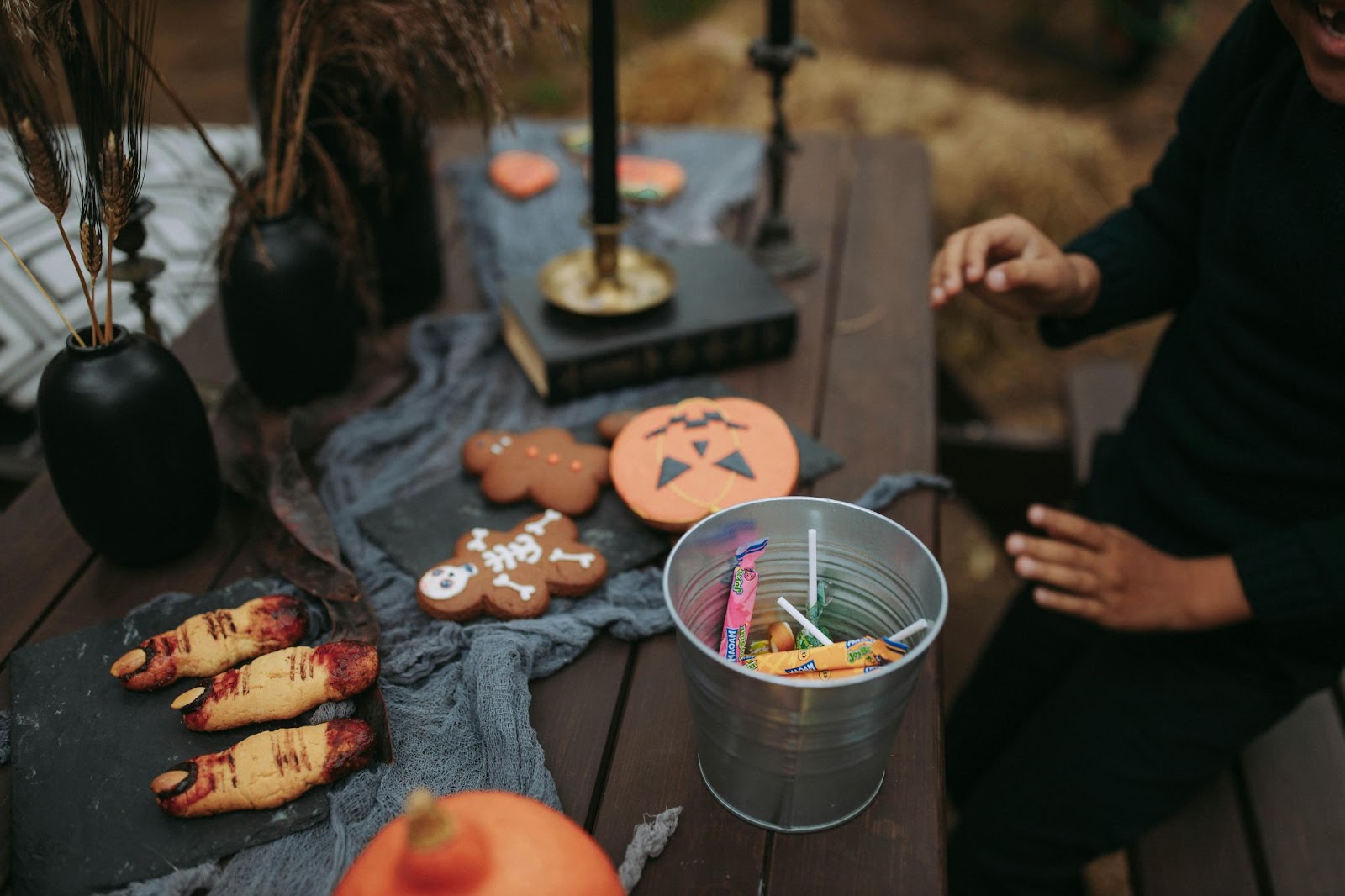
When presenting these events, keep the information clear and concise. Include the date, time, location, and a brief description of what attendees can expect. If possible, provide links to the event pages or ticket information. Use visuals like event posters, photos from previous years, or custom graphics to make the posts more engaging.
To make your posts even more valuable, consider creating a roundup of multiple events. A “Halloween Weekend Guide” can list everything happening locally, categorized by type of event or age group. This can position your brand as a helpful resource for planning Halloween festivities. Sharing this guide on your blog or as a downloadable PDF can also drive traffic to your website.
Encourage your followers to share their own recommendations for local events in the comments. This not only adds to the list but also fosters a sense of community and interaction on your page. You can even feature some of these suggestions in your posts, giving credit to the followers who contributed.
26. Influencer collaborations
Partnering with influencers to create Halloween-themed content can help you reach niche audiences and add credibility to your brand. Influencers already have an established following that trusts their recommendations, so their endorsement can significantly boost your campaign’s visibility and engagement.
Start by identifying influencers who align with your brand values and target audience. Look for those who are active during Halloween, sharing themed content or participating in Halloween-related activities. Consider influencers in your industry or those who have a history of collaborating on seasonal campaigns. Their audience should match your customer profile in terms of demographics and interests.
Once you have a list of potential influencers, reach out with a clear proposal. Explain what kind of content you’re looking to create together — this could be anything from Halloween makeup tutorials using your products to unboxing videos of a special Halloween-themed package you send them. Be specific about what you’re offering, such as free products, compensation, or cross-promotion on your channels.
When collaborating, give influencers creative freedom to put their own spin on the content. Authenticity is key, as audiences can easily spot forced or overly promotional posts. Encourage them to share their honest experiences with your products or services, and to weave in Halloween elements that resonate with their followers. For example, they could show how your products enhance their Halloween celebrations or how they use your service to prepare for the holiday.
Promote the collaboration on your own channels as well. Share the influencers’ posts, tag them, and include a call-to-action that encourages your followers to check out their content. This amplifies the reach of the campaign and strengthens the partnership by driving traffic to the influencer’s page.
Frequently asked questions
How early should I start planning my Halloween social media content?
It’s a good idea to start planning your Halloween content at least a month in advance. This allows you time to brainstorm ideas, create and schedule posts, and coordinate any collaborations or campaigns. Early planning also ensures you have enough time to adjust your strategy based on any new trends or changes in your audience’s preferences.
What platforms are best for Halloween social media campaigns?
Choose platforms where your audience is most active. Instagram, Tumblr, and Pinterest are great for sharing Halloween-themed photos, stories, and DIY ideas. Facebook is effective for reaching a broader audience with events and interactive posts like polls or contests. TikTok is ideal for short, creative videos that showcase costumes, tutorials, or behind-the-scenes content. Tailor your approach to each platform’s strengths.
How can I measure the success of my Halloween social media campaign?
Success can be measured using a few key metrics: engagement (likes, comments, shares), reach (the number of people who see your content), and conversions (sales or sign-ups generated from your posts). Compare your performance to past campaigns to see what worked well and what could be improved.
Is it appropriate to use spooky or scary themes for all audiences?
It depends on your target audience. If your followers include children or more conservative groups, it’s better to use fun, lighthearted themes rather than overly spooky or graphic content. Consider their preferences and sensitivities. Always aim for themes that are inclusive and appropriate for your audience’s tastes.
What are some common mistakes to avoid in Halloween social media campaigns?
Avoid content that might be seen as insensitive or offensive. Stay away from controversial themes or costumes that could cause backlash. It’s also important not to overdo clichés — balance classic Halloween elements with fresh, creative ideas. Neglecting engagement is another mistake. Make sure to respond to comments and messages to keep the conversation going.
Can I post the same Halloween content on multiple social media platforms?
Yes, but it’s best to tailor your content for each platform. What works well on Instagram might not perform as well on LinkedIn. Adjust the format, tone, and style of your posts to suit each platform’s unique audience and features. For example, you can use longer captions and stories on Facebook, while TikTok and Instagram might benefit from short, visually-appealing videos.
How can I leverage automation for my Halloween social media content strategy?
Automation tools can save you time and ensure consistent posting.
Jetpack Social allows you to schedule and automate posts across multiple social media platforms, ensuring your Halloween content goes live at the optimal times. It also helps keep your brand active even when you’re not online.
For content creation, Jetpack AI Assistant can help generate high-quality, AI-powered content and posts, helping you maintain a steady flow of ideas and save time on writing.
Where can I learn more about Jetpack Social & AI Assistant?
To explore the full range of features offered by Jetpack Social and the AI Assistant, visit their respective pages here:
Jetpack Social: https://jetpack.com/social/
Jetpack AI Assistant: https://jetpack.com/ai/
Both tools will help you streamline your content strategy, manage your social media presence, and generate creative content efficiently. Start planning your Halloween campaign today and see how Jetpack can support your efforts!

Publish once. Share everywhere.
Automatically share your website content to your favorite social media platforms, from one place.
Get Jetpack Social for free Jetpack