

Creating effective social media content that resonates with audiences is both an art and a science. Social media platforms are filled with diverse voices and constant updates, so standing out requires not just creativity, but also strategic planning and smart tools.
This guide will walk you through the steps needed to create engaging content for social media, ensuring your brand not only captures attention but sustains it. Let’s explore 20 proven tips to create engaging social media content your audience will love.
1. Develop a content theme that sets your brand apart
Establishing a unique content theme is fundamental to distinguishing your brand on social media. This theme, a blend of your brand’s identity and values, becomes the thread that ties your content together. To develop a compelling theme, you’ll need to:
Identify your brand’s core values. What does your brand stand for? Understanding these values is crucial, as they’ll be reflected in every piece of content you create.
Analyze competitors. Look at what others in your industry are doing. Note what works for them and think about how you can offer something different or better.
Define your unique selling proposition (USP). What makes your brand unique? Your USP should be evident in your content theme, helping you stand out in a crowded digital space.
Choose a consistent aesthetic. Your visual elements, like colors and fonts, should align with your brand’s personality. Consistency helps in building brand recognition.
Craft a brand voice. How your brand communicates — its tone, language, and style — should be similar across all your posts. This voice should resonate with your target audience and reflect your brand’s personality.
Remember, your content theme is not just about aesthetics — it’s about conveying a message that resonates with your audience and reinforces your brand identity. Regularly revisiting and refining your content theme is essential to stay relevant and connected with your audience.
2. Tailor content to your audience’s needs and interests
A critical component of successful social media content creation is understanding your audience. Knowing who they are, what they value, and what challenges they face allows you to tailor your content to meet them directly. Consider the following to gain a deeper understanding of your audience:
Conduct audience research. Utilize surveys, social media analytics, and direct engagement to gather information about your audience’s demographics, preferences, and behaviors.
Create audience personas. Based on your research, develop detailed personas representing different segments of your audience. This helps in visualizing the audience as real people with specific needs and preferences.
Monitor audience engagement. Pay close attention to how your audience interacts with your content. Which posts do they engage with the most? What type of comments are they leaving? This feedback is invaluable.
Stay updated with audience trends. Audience preferences can change rapidly. Regularly update your understanding of your audience to ensure your content remains relevant and engaging.
Ask for feedback. Don’t hesitate to directly ask your audience what they want to see. This not only provides valuable insights but makes your audience feel valued and heard.
Tailoring your content to your audience’s needs is not about guessing what they might like, but about understanding them so well that your content speaks directly to their interests and desires. This level of personalization in your content strategy can significantly increase engagement and loyalty.
3. Set specific goals for each post
Setting clear and specific goals for each piece of content is essential in shaping a focused social media strategy. These goals guide what you create and how you measure success. Here are some tips to define the purpose of each post:
Align content with overall business objectives. Each piece of content should contribute to your broader business goals, whether that’s brand awareness, lead generation, or customer engagement.
Define what success looks like. For each post, determine what success means. Is it likes, shares, comments, website visits, or sales? This clarity helps in measuring the effectiveness of your content.
Categorize your posts. Different types of posts serve different purposes. For example, some might be aimed at educating your audience, while others might promote a product or service.
Be realistic and specific. Set achievable and precise goals. Rather than a vague objective like “increase engagement”, aim for specific targets like “achieve a 10% increase in comments on posts this month”.
Evaluate and adjust. Regularly review your content’s performance against your goals. Use these insights to refine your strategy and make data-driven decisions for future content production.
By defining clear goals for each social media post, you create a roadmap for your content strategy, ensuring that everything has a purpose and contributes to your overall objectives. This approach not only streamlines your content creation process, but also enhances the impact of your social media presence.
4. Leverage automation to free up time for creativity
Time is a precious commodity, so automation in social media content creation and distribution is essential. Leveraging automation streamlines the process and frees up valuable time for creativity and strategic planning. Here’s how you can incorporate automation for better efficiency:
Automate routine tasks. Use tools to automate repetitive tasks like posting at the best times, reposting evergreen content, and curating content from trusted sources.
Utilize auto-posting and scheduling tools. Plan and schedule your posts in advance. This ensures a consistent online presence and allows you to focus on real-time engagement with your audience.
Embrace AI for content creation. AI tools can assist in generating content ideas, creating drafts, and even optimizing your posts for SEO. This technology can significantly enhance your content strategy by providing data-driven insights and suggestions.
Incorporating Jetpack’s tools can greatly enhance your efficiency in these areas. Jetpack Social, for example, enables seamless sharing of your WordPress content across various social media platforms, simplifying the distribution process.
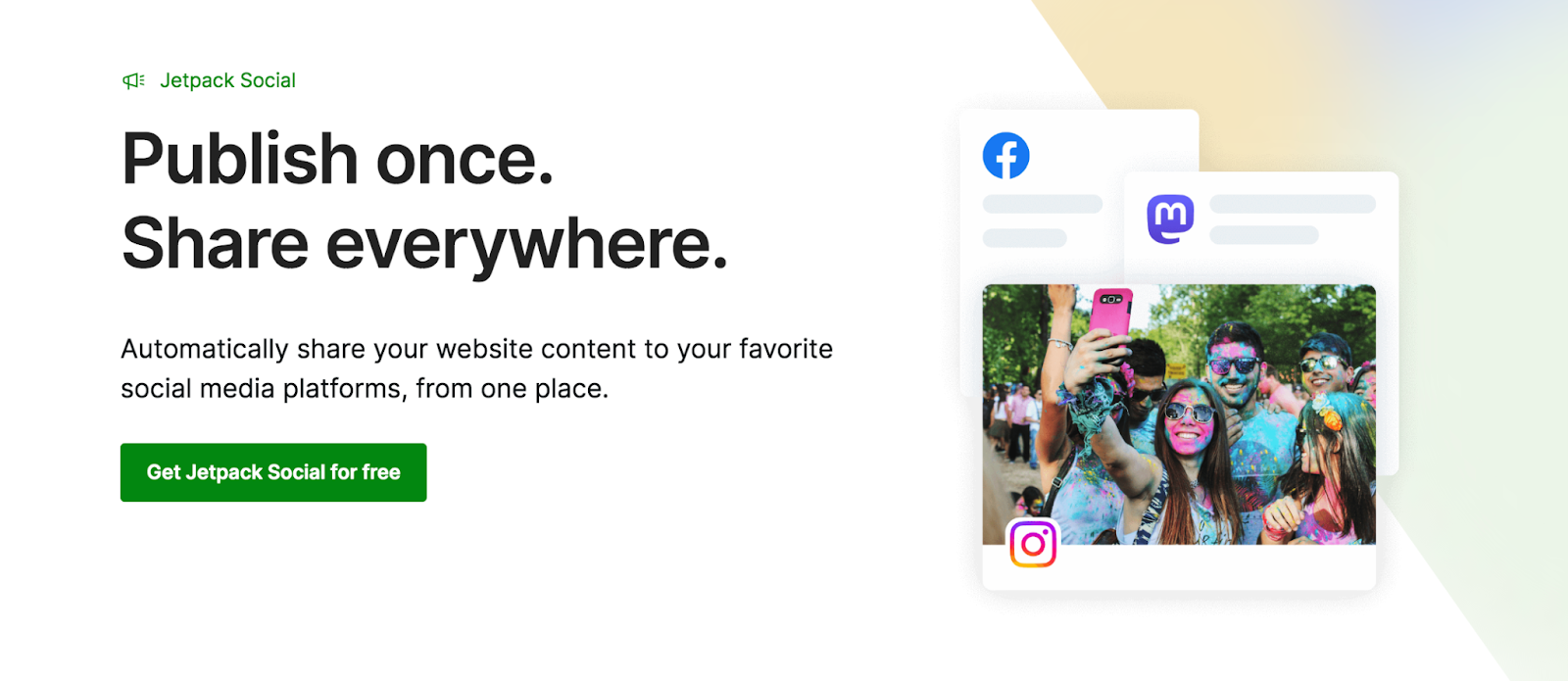
Meanwhile, Jetpack AI Assistant can assist in generating content, offering suggestions based on trends and data and aiding in creating relevant and engaging content.
By integrating these tools into your social media strategy, you can ensure that your content is not only regular and timely, but also data-driven and engaging. Automation, when used wisely, allows you to focus on the creative and strategic aspects of content creation, making your social media presence more dynamic and impactful.
5. Create attention-grabbing headlines
The power of a compelling headline cannot be overstated. A great headline acts as a gateway, enticing readers to engage with your content. Here are some tips to craft headlines that capture attention:
Be clear and concise. Your headline should clearly convey the essence of your post. Avoid ambiguity — readers should understand what to expect from your content at a glance.
Use strong, active language. Choose words that evoke emotion or curiosity. Active verbs and vivid language can make your headlines more compelling.
Incorporate keywords wisely. Including relevant keywords helps people discover your content in searches. However, ensure the keywords fit naturally and don’t detract from the readability.
Test different styles. Try various headline formats — questions, how-tos, lists, challenges, or shocking statistics — and see what resonates most with your audience.
Keep your audience in mind. Always tailor your headlines to appeal to the interests and preferences of your target audience. What works for one demographic may not work for another.
Use numbers and data. Headlines with numbers often stand out and promise a clear, easy-to-digest structure, like “7 Tips for…” or “5 Ways to…”.
Promise value. Your headline should make a promise to deliver value, be it entertainment, information, or a solution to a problem.
Creating headlines that grab attention is an art that requires practice and experimentation. Regularly analyze the performance of your headlines to understand what works best for your audience. Remember, a headline is often the deciding factor for a reader to engage with your content or scroll past it. Make every word count.
6. Post as if you’re starting a conversation
Interaction is key for success on social media. Engaging with your audience should feel like starting a conversation. This approach increases engagement and builds a community around your brand. Here are some strategies to make your posts more conversational:
Use a friendly, approachable tone. Write as if you are talking to someone directly. A casual, friendly tone often resonates more with social media users.
Ask questions. Encourage responses by ending your posts with a question. This can be as simple as asking for opinions, thoughts, or experiences related to your post.
Respond to comments. Actively engage with followers who comment on your posts. Acknowledge their responses, answer questions, and participate in discussions.
Share user-generated content. Showcasing content created by your followers, such as reviews or photos, can stimulate more interaction and make your audience feel valued.
Create polls and surveys. Organized feedback tools are great for encouraging participation and gathering input while keeping the interaction light and enjoyable.
Tell stories. People naturally gravitate towards stories. Share anecdotes, experiences, or customer stories that your audience can relate to.
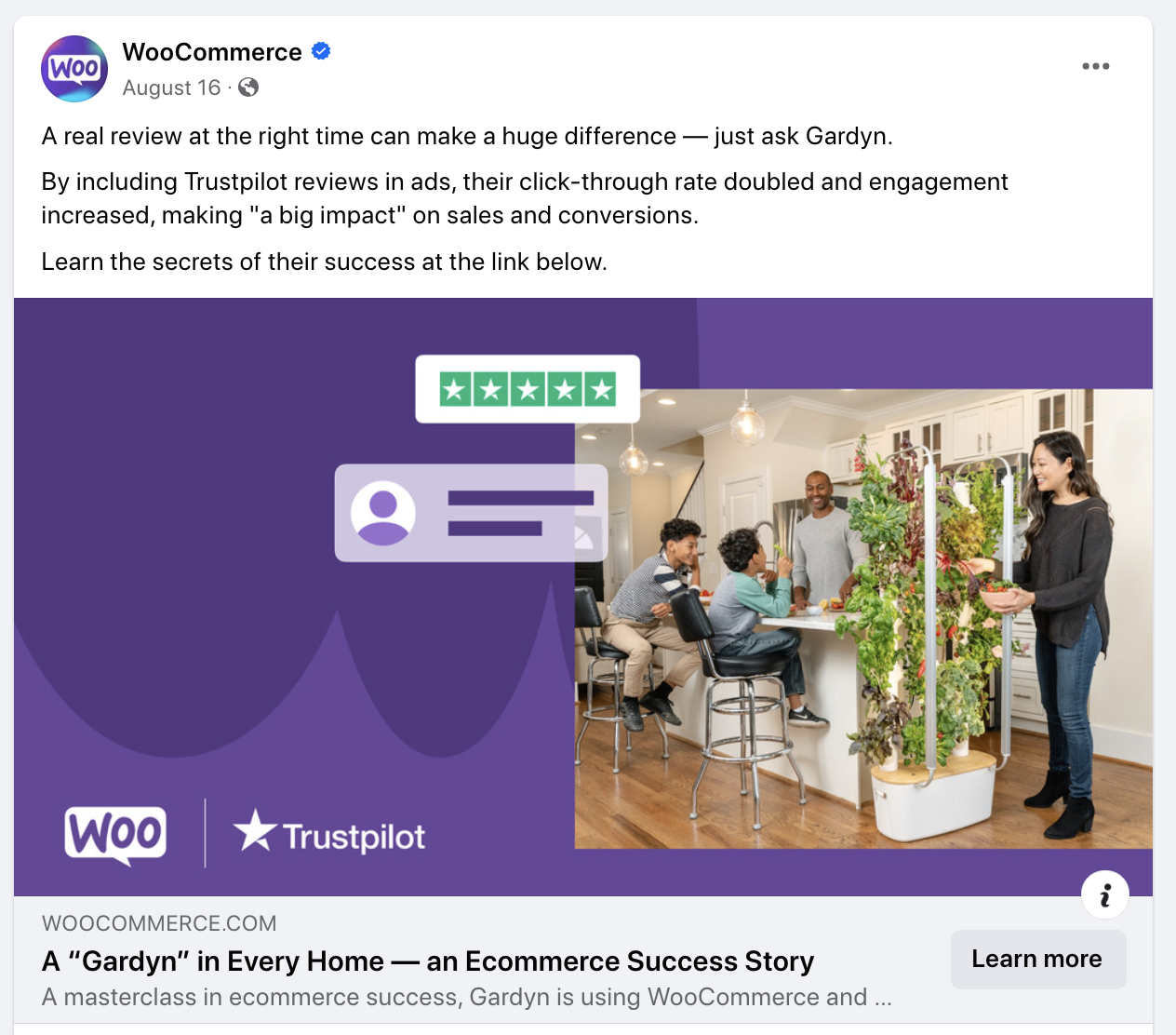
Be authentic. Authenticity fosters trust. Share genuine insights into your brand, the people behind it, and your values.
Remember, the goal is to create a space where your audience feels comfortable engaging, sharing, and participating. Social media is not just a broadcasting platform — it’s a community space where relationships are built. Approach your content with the mindset of sparking a conversation rather than just disseminating information.
7. Embrace the power of visual storytelling
Visual storytelling is a powerful tool in social media content creation. Images, videos, memes, and GIFs can convey complex messages quickly and effectively, often leading to higher engagement. To successfully use visual elements in your social media strategy, you should:
Use high-quality images. Make sure that your images are high quality, relevant to your content, and aligned with your brand’s aesthetic. Premium visuals grab attention and increase the likelihood of engagement.
Incorporate videos. Videos can be highly engaging and are particularly effective for demonstrations, storytelling, and showing behind-the-scenes content. They don’t always need high production values — authenticity can be a significant draw.
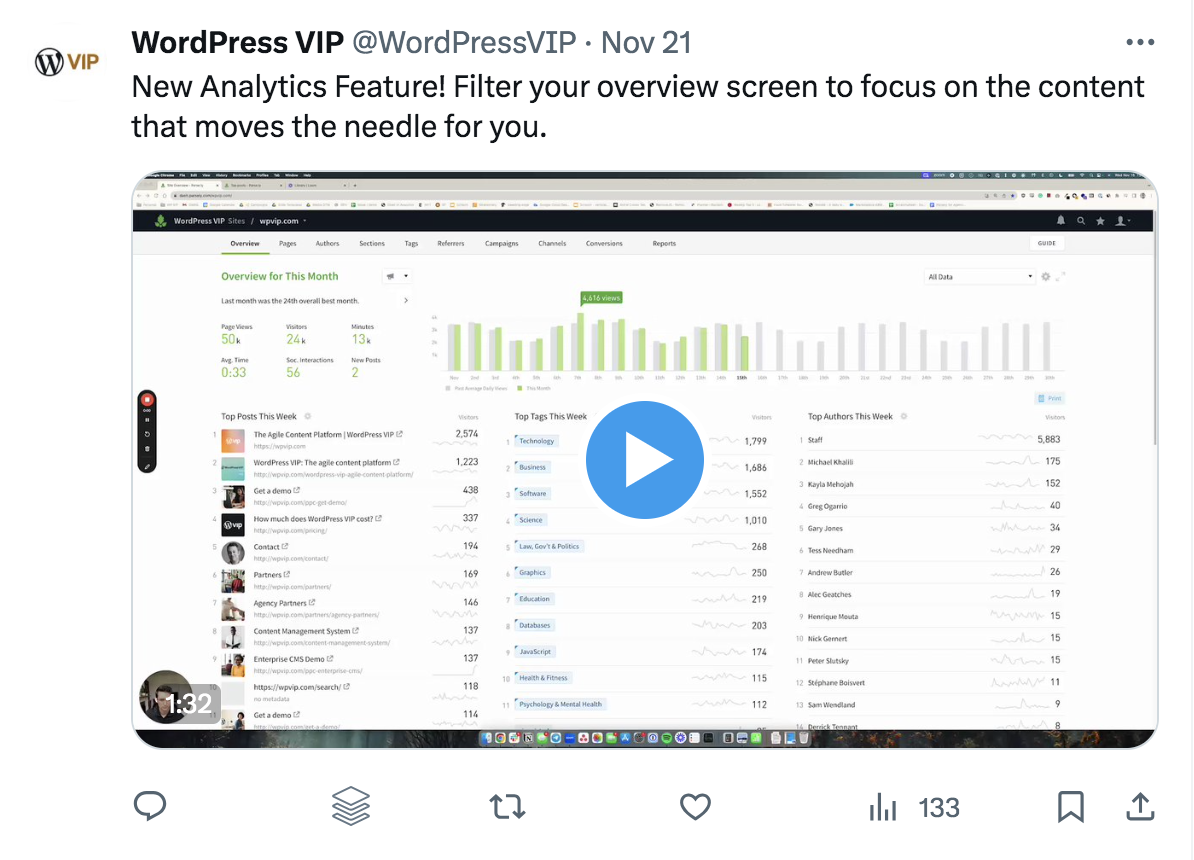
Leverage the power of memes and GIFs. Memes and GIFs are popular on social media for their ability to convey emotions and ideas humorously and succinctly. They can make your brand seem more relatable and down-to-earth.
Use infographics. Infographics are excellent for presenting data or complex information in an easy-to-digest and visually appealing format.
Create consistent visual branding. Your visual content should have a standardized style that aligns with your brand identity. This includes using the same colors, fonts, and layouts.
Adapt visuals for different platforms. Each social media platform has its own optimal image sizes and content preferences. Customize your visuals to fit the requirements of each.
Visual content can be more than just a complement to your text — it can be the centerpiece of your message. With the attention span of online audiences growing shorter, a well-placed image or an engaging video can be the difference between your content being noticed or overlooked. Remember, in the world of social media, a picture or a video can be worth a thousand words.
8. Use colors strategically
The strategic use of color in social media content can significantly influence audience perception and engagement. Colors have the power to evoke emotions, set the mood, and reinforce brand identity. Here are some tips for using colors effectively in your content:
Understand color psychology. Different colors can evoke different feelings and reactions. For example, blue is often associated with trust and dependability, while yellow can evoke feelings of happiness and energy.
Align colors with your brand identity. Choose colors that reflect your brand’s personality and values. Consistent use of these colors helps in building brand recognition.
Consider cultural connotations. Colors can have different meanings in different cultures. Be mindful of this, especially if your brand targets a global audience.
Use contrast for readability. Ensure that there’s enough contrast between text and background colors to make your content easily readable and more accessible.
Create a color palette for consistency. Develop a consistent color palette for all your social media content. This helps in creating a cohesive look across all your posts.
Experiment with color trends. While consistency is key, don’t be afraid to experiment with different colors or follow color trends, as long as they align with your brand identity.
The strategic use of color can enhance the impact of your social media content, making it more visually appealing and emotionally resonant with your audience. Remember, the goal is not just to make content that looks good, but to create content that feels right for your audience and your brand.
9. Diversify content types
Diversifying the types of social media content you post is crucial for maintaining audience interest and engagement. Different content types can cater to various audience preferences and can help convey your message in new ways. Here are some types of posts to consider:
Text posts. While visual content is key, don’t underestimate the power of well-crafted text posts. These can be great for sharing insights, stories, or announcements.
Images. Use high-quality, engaging images to capture attention. These can range from product photos to behind-the-scenes shots, infographics, or creative visuals.
Videos. Videos are highly engaging and versatile. They can be used for tutorials, demonstrations, interviews, storytelling, or just giving a glimpse into your brand’s world.
Live sessions. Livestreaming offers real-time engagement with your audience. Use live sessions for Q&As, events, product launches, or just to have a direct conversation with your followers.
Interactive content. Polls, quizzes, and interactive stories can be excellent for engaging your audience. They encourage participation and can provide valuable feedback.
User-generated content. Share content created by your customers or fans. This not only provides authentic material, but also encourages others to share their experiences with your brand.
Stories and reels. Make use of ephemeral content like Instagram Stories or Reels for more casual, spontaneous posts that can offer a different perspective of your brand.
By mixing different types of content, you can keep your social media feeds fresh and engaging. Pay attention to the performance of content types to understand what works best for your audience. This approach enhances engagement and allows you to showcase different facets of your brand in creative ways.
10. Use engaging and interactive formats
Interactive content formats like polls, quizzes, and question-and-answer sessions are incredibly effective for boosting engagement and learning more about your audience. They make your followers feel involved and can provide valuable insights into their preferences and opinions. Here are some examples:
Polls. Social media polls are a simple, powerful tool to engage your audience. Use them to gather opinions, preferences, or feedback. They’re easy to participate in and can generate immediate engagement.
Quizzes. Quizzes can be both fun and informative. They’re a great way to engage your audience while educating them about your brand or products in an interactive manner.
Q&A sessions. Hosting regular Q&A sessions can be an excellent way to directly engage with your audience. This format is perfect for addressing questions, sharing expertise, and showcasing your brand’s personality.
Interactive stories. Many social media platforms offer features like swipe-up options, questions, and polls in their stories. Utilize these features to create interactive and engaging stories.
User feedback and surveys. While not as interactive in the traditional sense, surveys are a great way to gather in-depth feedback from your audience. They can be used to inform your content strategy, product development, and more.
Contests and challenges. These can be a fun way to engage your audience. They encourage participation and can help increase your reach when participants share content related to your contest or challenge.
Interactive content is great for engagement and fosters a sense of community and belonging among your audience. Formats that allow and encourage active participation make your followers feel heard and valued, significantly enhancing loyalty and advocacy for your brand.
11. Inject humor and personality
Incorporating humor and personality into your social media content can be a breath of fresh air for your audience. It humanizes your brand, making it more relatable and memorable. Here are some tips for infusing humor and personality into your content:
Understand your brand’s voice. Before adding humor, ensure it aligns with your brand’s personality. What’s appropriate for one brand may not be for another.
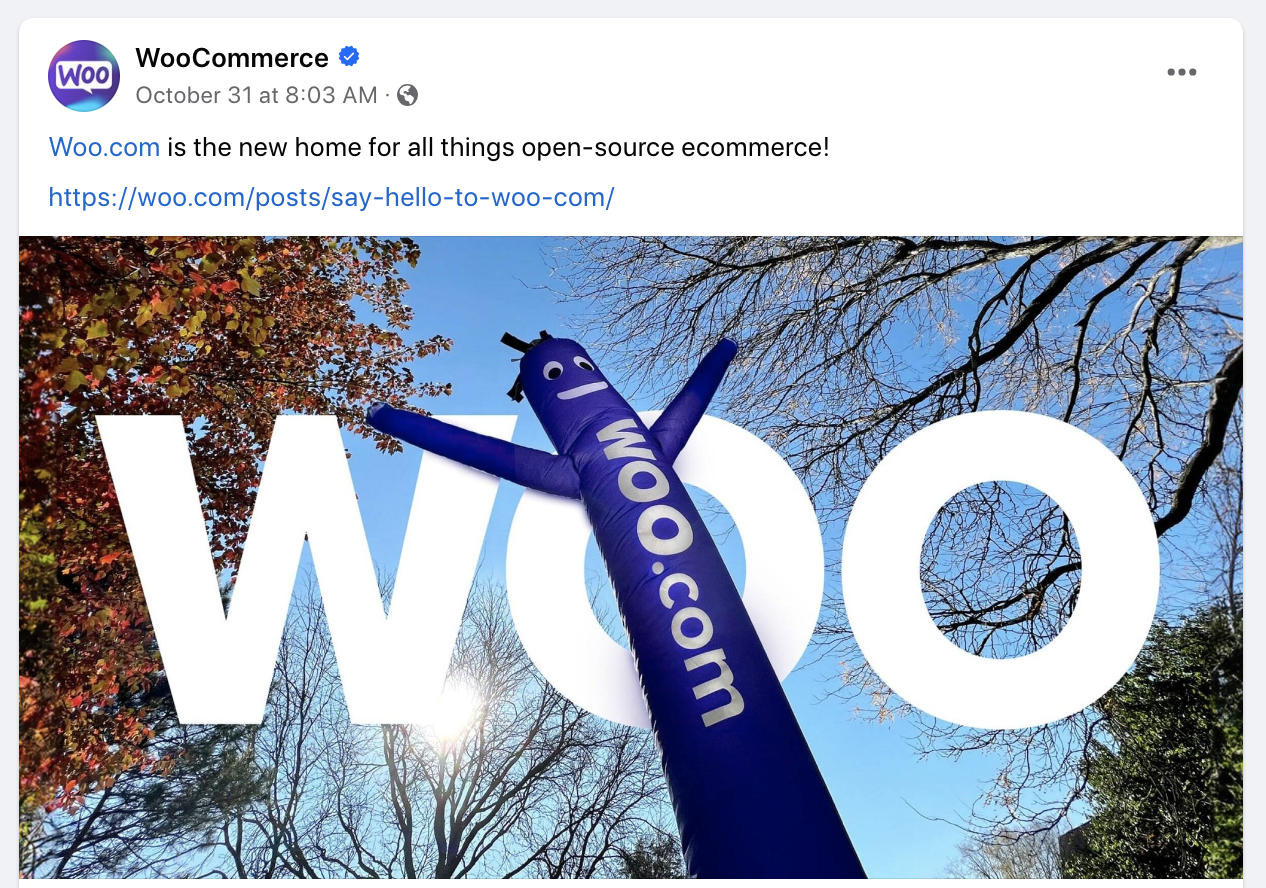
Know your audience. What your audience finds funny is crucial. Humor should be tailored to your audience’s tastes and sensibilities.
Use light-hearted humor. Opt for light-hearted, universally relatable humor to avoid offending or alienating parts of your audience.
Be timely and relevant. Humor often works best when it’s timely and taps into current trends or popular culture that your audience can relate to.
Share fun behind-the-scenes. Give your audience a glimpse into the lighter side of your business. This can be team celebrations, office antics, or even pets at the workplace.
Create fun and engaging content. Think of quizzes, memes, and playful posts that encourage interaction and bring a smile to your audience’s faces.
Stay true to your brand. While humor is great, it should not overshadow your brand’s core message and values. Keep it aligned with your brand identity.
Injecting humor and personality into your content can make your social media presence more enjoyable and engaging. It helps in building a connection with your audience beyond just the products or services you offer. Remember, the aim is to entertain and engage, not just to sell.
12. Use emotive language to connect with your audience
The use of emotive language in social media can create a deeper connection with your audience. It humanizes your brand and makes your content more relatable and memorable. Here are some things to keep in mind to effectively use emotive language:
Identify emotions to target. Decide which emotions you want to evoke in your audience — happiness, excitement, inspiration, or even empathy and compassion.
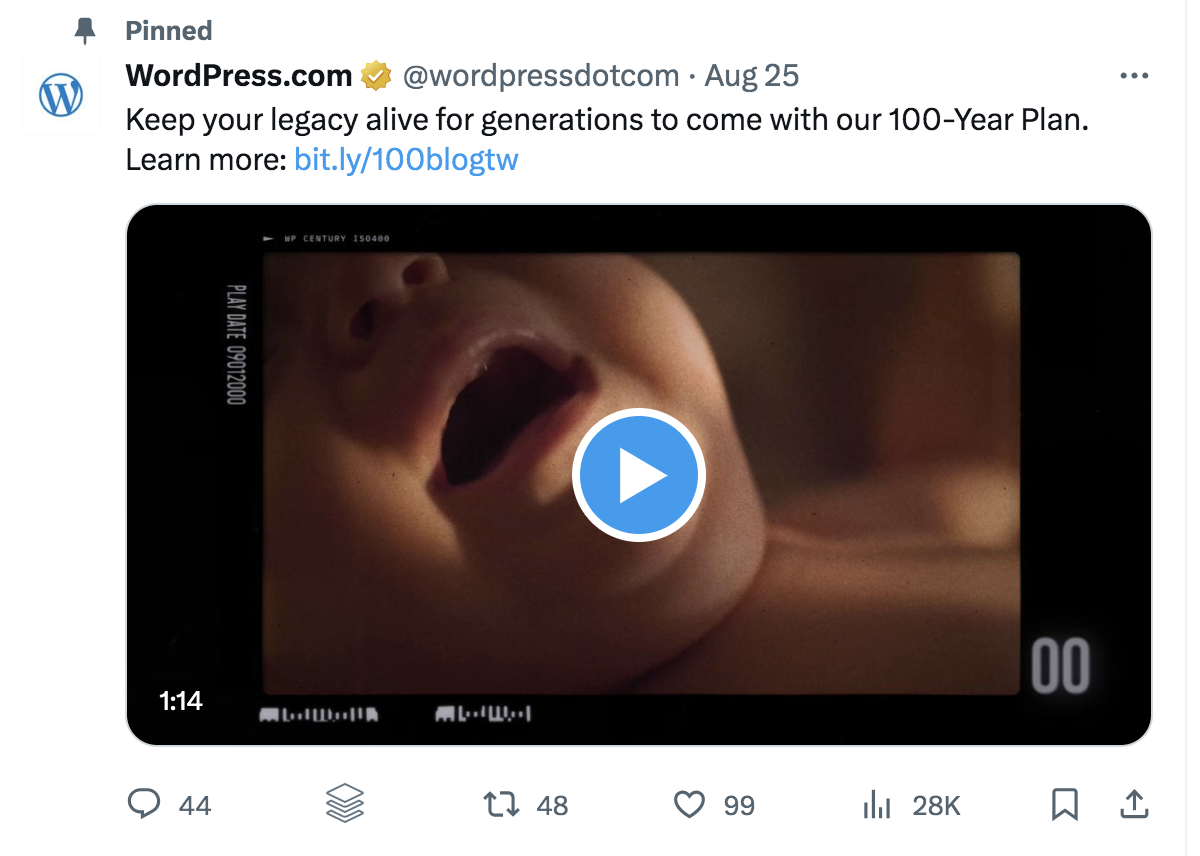
Tell stories that resonate. Stories are a powerful way to evoke emotions. Share real, relatable stories about your brand, customers, or even community initiatives.
Use descriptive language. Choose words that vividly paint a picture and bring your content to life. Descriptive language can make your posts more engaging and impactful.
Be authentic and genuine. Authenticity is key in emotional connection. Your audience can tell when emotions are forced or inauthentic.
Use personalization. Addressing your audience directly and personalizing your content can make it feel more intimate and emotionally engaging.
Highlight customer experiences. Sharing customer stories, testimonials, or reviews can be effective in evoking emotions, as they’re relatable and genuine.
Balance with your brand voice. While emotive language is powerful, it’s important to balance it with your overall brand voice and message.
Using emotive language effectively can significantly enhance the impact of your social media content. It’s about creating content that touches the hearts of your audience.
13. Keep your theme consistent and recognizable
Consistency in your social media theme and style is crucial for brand recognition and audience retention. It helps ensure that your content is easily recognizable. Here are strategies to maintain a homogenous theme and style:
Develop a style guide. Create a style guide that outlines your brand’s visual elements (like colors and fonts), tone of voice, and types of content.
Be consistent in your posting schedule. Regular posting keeps your audience engaged and establishes a predictable pattern that your followers can look forward to.
Use similar messaging. Your content should always reflect your brand’s values and message, even when covering different topics or using different content types.
Maintain visual consistency. Use similar color schemes, filters, and layouts in your visuals.
Stick to your brand voice. Whether your brand voice is professional, playful, or inspirational, it’s important to maintain this tone across all your posts.
Interact regularly. The way you interact with your audience, like the language used in comments and replies, should also align with your overall brand style and tone.
Regularly review your content. Routinely review your content to ensure it aligns with your style guide.
Maintaining a consistent theme and style in your social media content helps build a strong brand identity and makes your content more memorable and recognizable.
14. Use hashtags effectively
Hashtags are a pivotal tool in social media strategy, serving as a way to categorize content, enhance discoverability, and engage with specific topics or communities. Effective use of hashtags can significantly boost the reach and visibility of your content. Here are some keys for using hashtags successfully:
Research relevant hashtags. Identify hashtags that are popular and relevant to your content and audience. Tools like Instagram’s search feature can help you see how many posts are associated with a particular hashtag.
Use a mix of broad and niche hashtags. Broad hashtags can increase your reach, while niche hashtags can help you connect with a more targeted audience. A mix of both is typically most practical.
Create branded hashtags. Develop unique hashtags for your brand or specific campaigns. Branded hashtags can increase brand awareness and make it easier to track engagement. You shouldn’t use branded hashtags exclusively or force their use where they don’t fit.
Keep hashtag count balanced. While it’s tempting to use as many hashtags as possible, too many can seem spammy. Focus on a few relevant ones for each post.
Place hashtags strategically. Depending on the platform, you can place hashtags within the post, in the comments, or in the story description.
Analyze hashtag performance. Use social media analytics tools to track the performance of your hashtags. This can help you refine your strategy over time.
Stay updated with trending hashtags. Keep an eye on trending topics and hashtags. Participating in these can increase your content’s visibility, provided they are relevant to your brand.
Using hashtags effectively is about balancing reach with relevance. The right hashtags can expose your content to a broad audience while also connecting you with specific communities interested in your brand or industry. This increases the chances of engagement and helps in building a wider, targeted presence on social media.
15. Leverage trends and emerging topics
Staying attuned to current trends is crucial for keeping your social media content fresh, relevant, and engaging. Trends can range from popular hashtags and challenges to emerging topics of conversation within your industry. Here’s how to stay trend-savvy and use current trends creatively in your content:
Monitor social media platforms. Regularly check trending sections on platforms like Instagram and TikTok. This can give you insights into what’s currently capturing the public’s interest.
Use trends that align with your brand. Not every trend will be a fit for your brand. Choose those that match your brand’s values and messaging.
Be quick (but thoughtful). Timeliness is key in leveraging trends, but it’s also important to put a thoughtful, creative spin on them to stand out.
Create content around trending topics. This can be as simple as participating in a popular challenge or creating content that speaks to a current event or social issue.
Engage with viral challenges. If a challenge aligns with your brand, joining in can be a fun way to showcase your brand’s personality and connect with your audience.
Collaborate with influencers. Influencers often have their finger on the pulse of current trends. Collaborations can be an effective way to tap into these and reach new audiences.
Analyze the impact. Use analytics to assess how your trend-based content performs. This can guide your future strategies.
Incorporating current trends into your social media strategy can increase your content’s relevance and appeal. However, it’s important to approach trends with authenticity and creativity, ensuring that they feel natural and add value to your brand’s overall message.
16. Collaborate with other creators and influencers
Collaboration with other creators and influencers is a powerful strategy to expand your reach, bring fresh perspectives to your content, and engage with new audiences. These partnerships can take various forms, from guest posts to joint live streams. Here’s how to successfully collaborate and co-create:
Identify the right partners. Look for creators or influencers whose audiences align with yours and who share similar values. This ensures the partnership is beneficial for both parties.
Define mutual goals. Be clear about what each party hopes to achieve from the collaboration. Whether it’s increasing brand awareness or driving sales, shared objectives are key.
Leverage each other’s strengths. Each collaborator brings unique skills and perspectives. Play to these strengths to create content that is diverse and engaging.
Promote across channels. Cross-promote the collaborative content on each party’s social media channels. This maximizes reach and exposure.
Be authentic. Ensure that collaborations feel authentic and align with your brand’s identity. Forced or mismatched partnerships can be off-putting to your audience.
Engage with both audiences. When the content is published, engage with both your audience and your collaborator’s audience. This helps build a stronger relationship with both groups.
Analyze and learn. Post-collaboration, analyze the performance to understand what worked and what could be improved. This will inform your future collaborative efforts.
Collaborating with other creators and influencers can inject new energy into your content and expose your brand to a wider audience. When done right, these partnerships can be mutually beneficial and incredibly rewarding in terms of engagement and brand growth.
17. Give your social audience exclusive, behind-the-scenes content
Sharing exclusive, behind-the-scenes content on social media can significantly enhance audience engagement. This type of content allows your audience to feel closer to your brand by providing a glimpse into the processes, people, and stories behind your products or services. Here are some tips for using behind-the-scenes content:
Showcase your process. Share how your products are made, or give a sneak peek into your service delivery process. This transparency builds trust and interest.
Highlight team members. Introduce your audience to the people behind your brand. Short profiles or day-in-the-life posts can personalize your brand and foster connections.
Share company milestones. Celebrate achievements and milestones with your audience. It makes them feel like they’re part of your journey.
Host live Q&A sessions. Use live sessions to answer questions about your company, team, and how things work behind the scenes. This interaction adds a layer of authenticity to your content.
Provide sneak peeks of upcoming products or events. Teasing new products or events builds anticipation and keeps your audience engaged and curious about what’s coming next.
Share real-time updates. Share updates from events or everyday business activities. This real-time sharing makes your audience feel included and updated.
Embrace authenticity. The charm of behind-the-scenes content lies in its authenticity. Avoid overly curated content — a raw and genuine approach is more relatable.
Sharing exclusive, behind-the-scenes content is a powerful way to deepen your audience’s understanding of and connection with your brand. It humanizes your brand, making it more relatable and trustworthy. This can turn casual followers into loyal brand advocates.
18. Create content series and episodes
Creating a series of related content pieces or episodes is an effective way to keep your audience engaged over time. This approach not only ensures a consistent flow of content, but it also builds anticipation among your audience for the next installment. Here are some steps to kick-start your planning:
Choose a theme or topic. Select a theme or topic that’s broad enough to cover in multiple parts, yet specific enough to provide deep and focused insights.
Plan your series. Outline the series, decide how many parts it will have and outline what each part will cover. A clear plan helps maintain focus throughout the series so that the parts flow cohesively together.
Create engaging storylines. If your series is narrative-based, develop engaging storylines that keep your audience looking forward to the next episode.
Maintain a consistent schedule. Release your series according to a regular schedule — whether that’s weekly, bi-weekly, or monthly. Consistency helps build a routine for your audience.
Promote upcoming episodes. Tease upcoming parts of the series in advance. This builds anticipation and keeps your audience engaged.
Encourage audience interaction. Invite your audience to comment, ask questions, or even contribute ideas for future episodes. This interaction can provide valuable feedback and makes your audience feel more invested.
Keep it varied and dynamic. While consistency is key, ensure each part of the series offers something new or takes a different angle on the theme to keep it fresh and engaging.
Content series and episodic posts can be a powerful tool in your content strategy. They provide a narrative thread that encourages prolonged engagement, helping you deepen your relationship with your audience over time. This format is not only engaging, but also gives your audience a reason to return to your social media channels regularly.
19. Showcase community voices through user-generated content
User-generated content (UGC) is a powerful resource in social media content creation. It involves leveraging content created by your customers or fans, such as reviews, testimonials, photos, or videos. UGC not only provides authentic and relatable content, but also helps build a community around your brand. Here are some tips for the effective use of UGC:
Encourage your audience to share. Create campaigns or contests that invite your audience to share content related to your brand. Make sure to provide clear guidelines on how to participate.
Feature customer stories and reviews. Sharing stories and reviews from your customers serves as a powerful endorsement for your brand. It adds credibility and builds trust. It’s the epitome of building social proof.
Host UGC challenges or competitions. This will help to get more people to create content related to your brand.
Give credit where it’s due. Always give proper credit to the original creators when sharing UGC. This not only shows respect, but also encourages others to share their content with you.
Use UGC in your marketing materials. With permission, use UGC in your broader marketing materials, such as on your website, in email campaigns, or in advertising.
Create a branded hashtag for UGC. A branded hashtag makes it easy to find and share UGC. It also helps in tracking the reach and engagement of your UGC.
Moderate UGC to align with brand values. Ensure that the UGC you share aligns with your brand values and messaging. Moderation is key to maintaining your brand image.
Leveraging user-generated content can significantly enhance your social media strategy by showcasing real and relatable experiences associated with your brand. It’s a way to celebrate your community and show your audience that their voice matters. This approach enriches your content and strengthens your connection with your audience.
Publish once. Share everywhere.
Automatically share your website content to your favorite social media platforms, from one place.
Get Jetpack Social for free20. Quality over quantity
In the realm of social media content creation, the emphasis should always be on quality over quantity. It’s crucial to ensure that each post provides tangible value to your audience, rather than just adding to the noise. Here are strategies to focus on quality in your social media posts:
Offer valuable information. Each post should offer something valuable — be it information, entertainment, inspiration, or a solution to a problem. Think about what your audience can take away from each post.
Focus on engagement, not just views. Measure success not just by the number of views or followers but by the level of engagement — comments, shares, and meaningful interactions.
Create well-researched content. Invest time in researching and crafting your content. Well-researched, factual content positions your brand as a trustworthy source in your field.
Prioritize visual and editorial quality. Ensure that your visuals are high-quality, and your copy is well-written and free of errors. A high-quality presentation reflects well on your brand.
Be authentic and genuine. Authenticity resonates with audiences. Share content that genuinely reflects your brand’s values and voice.
Stay true to your brand’s voice and message. Consistency in your brand’s voice and messaging across your posts helps in building a strong brand identity.
Regularly review and optimize content. Routinely review your content strategy and performance. This helps in identifying areas for improvement and adapting to changing audience preferences.
Focusing on quality over quantity means that each piece of content you share should contribute positively to your brand’s narrative and relationship with your audience. It’s about making every post count and ensuring your audience always has a reason to pay attention to your brand.
Five hacks to elevate your social media content creation
Staying ahead and making your content stand out requires smart strategies and creative thinking. Here are five ways to elevate your social media content creation:
Bulk create your posts in batches
1. Plan in advance. Spend dedicated time creating a batch of posts for the week or month. This approach maintains consistency and reduces daily pressure.
2. Use content calendars. Organize your ideas and plan your posts in advance using a content calendar. This makes it easier to achieve a balanced mix of different types of posts.
3. Streamline the process. Once you’re in the creative zone, it’s easier to produce multiple pieces of content. Use this momentum to create efficiently.
Prepare and schedule posts in advance
1. Use scheduling tools. Tools like Jetpack Social can automate the process of posting. By scheduling in advance or auto-posting new content, you can maintain a strong presence on social media without daily manual effort.
2. Time your posts for maximum engagement. Use analytics to determine when your audience is most active and schedule your posts accordingly.
Use automation tools to improve efficiency
1. Leverage AI for content ideas and creation. Tools like Jetpack AI Assistant can provide content suggestions to help you overcome creative blocks and diversify your posts.

2. Automate repetitive tasks. Automation can take care of repetitive tasks like posting at optimal times or reposting evergreen content, allowing you to focus on more creative aspects.
Create audience personas to improve the relevance of your posts
1. Develop detailed audience personas. Creating detailed personas based on audience data allows you to tailor content more effectively to different segments of your audience.
2. Use personas for content customization. Align your content with the interests, challenges, and behaviors of your audience personas for the most compelling social media marketing.
Take note of your best-performing posts and topics
1. Analyze performance. Regularly review which posts perform best in terms of engagement, reach, and conversions.
2. Replicate success. Use insights from your best-performing posts to guide future content creation.
Implementing these hacks can significantly enhance your efficiency and creativity in social media content creation. By planning, automating, and continuously learning from your audience, you can elevate your social media marketing for lasting results.
Frequently asked questions
In this section, we’ll address common questions related to creating engaging content for social media.
What are the long-term benefits of consistently creating engaging content on social media?
There are numerous long-term benefits to consistently creating engaging content for social media. Primarily, it builds and sustains a loyal audience. Engaging content fosters a sense of community around your brand, encouraging interactions and deepening customer relationships.
Over time, this ongoing, steady engagement boosts brand visibility and credibility, which can translate into increased customer loyalty and higher conversion rates. Regularly posting content provides a wealth of data on customer preferences, allowing for more targeted marketing strategies through every available channel.
What are common mistakes to avoid in social media content creation?
Common mistakes in social media content creation include:
1. Lack of a defined strategy. Posting without a clear strategy or goals leads to inconsistent messaging and missed opportunities for engagement.
2. Ignoring audience feedback. Not responding to comments or disregarding audience preferences can alienate your followers.
3. Over promotion. Excessively promotional content can turn off an audience looking for value and entertainment.
4. Neglecting visuals. Poor-quality visuals or inconsistent aesthetics can harm followers’ perception of your brand.
5. Inconsistent posting. Sporadic posting can lead to a loss of audience interest and engagement.
What are the most effective types of content for driving engagement on social media?
Here are some effective content types for social media:
1. Interactive posts. Polls, quizzes, and Q&As prompt audience participation.
2. Videos. These engage users more deeply with rich, dynamic storytelling.
3. User-generated content. Sharing what others have created that relates to your brand is a strong way to build community and trust.
4. Educational content. Provide value by teaching something new or offering insights. This can make your audience see you as more authoritative.
5. Storytelling and emotional content. A narrative-led, emotional piece creates a personal connection with the audience.
How can I create content that stands out in a crowded social media landscape?
To create content that stands out, you should:
1. Offer unique perspectives. Bring new viewpoints or insights to common topics.
2. Leverage current trends creatively. Use trends in a way that aligns with your brand voice and message.
3. Focus on high-quality visuals. Invest in creating visually appealing content.
4. Personalize content. Tailor posts to resonate with your specific audience.
5. Be authentic and transparent. Authentic content fosters deeper connections.
How important is video content in a social media strategy?
Video content is a crucial part of a social media strategy because it provides some of the highest engagement rates. Videos are more likely to be shared, can convey complex information in an accessible manner, and are favored by social media algorithms. They’re useful for storytelling, product demonstrations, and creating an emotional impact.
How can I create a consistent brand voice across different social media platforms?
Creating a consistent brand voice involves:
1. Understanding your brand’s core values. These should be reflected in your messaging.
2. Developing a style guide. This should cover tone, language, and visuals.
3. Tailoring content to each platform. Adapt your voice to fit the unique characteristics of each platform while maintaining overall consistency.
4. Training your team. Ensure that everyone who creates content understands and can apply your brand voice.
How can I effectively repurpose content across different social media platforms?
To repurpose content effectively:
1. Modify format and length. Adapt the content to suit the format of each platform.
2. Update visuals and language. Tailor these elements to fit the platform’s style and audience.
3. Reinforce the message. Ensure that the core message remains consistent, even if the presentation changes.
How can small businesses with limited resources effectively compete on social media?
Small businesses can compete on social media by:
1. Focusing on niche audiences. Develop content that resonates deeply with a specific audience.
2. Leveraging automation tools. Use tools like Jetpack AI Assistant for content creation and Jetpack Social for auto-posting.
3. Being authentic and personal. Small businesses can often create more personal and authentic content.
What role does storytelling play in creating engaging social media content?
Storytelling plays a pivotal role in creating engaging content as it humanizes the brand, connects emotionally with the audience, and makes content memorable. Good storytelling can transform a brand from a mere business entity to a relatable character in the audience’s daily lives.
What are some creative ways to incorporate storytelling into my social media content?
Creative ways to incorporate storytelling include:
1. Customer success stories. Share how your products or services have positively impacted customers.
2. Behind-the-scenes content. Offer glimpses into the daily workings of your business.
3. Employee spotlights. Tell stories about your employees, their roles, and experiences.
4. Brand history. Share your brand’s journey, challenges, and milestones.
5. Educational stories. Teach your audience something new in a narrative format.
The answers to these frequently asked questions aim to provide clarity and direction for those working to enhance their social media content creation. By addressing these important issues, brands can refine their strategies and achieve greater success with their online marketing.
Jetpack: Automate your social media content creation and distribution
In conclusion, while the strategies and tips provided throughout this guide are instrumental in crafting engaging social media content, the role of efficiency in executing these strategies cannot be overstated. This is where Jetpack’s suite of tools, particularly Jetpack Social and Jetpack AI Assistant, become invaluable assets for anyone with a WordPress site.
Jetpack Social simplifies the task of sharing your WordPress content across various social media platforms. It automates the distribution process, ensuring your content reaches your audience regularly. It’s especially beneficial for maintaining a consistent posting schedule, a key factor in audience engagement and brand visibility.
Jetpack AI Assistant, on the other hand, revolutionizes content creation. It aids in generating ideas, creating drafts, and optimizing posts using AI technology. For businesses and content creators, this tool is a game-changer, offering data-driven suggestions that align with current trends and audience preferences. It significantly reduces the time and effort involved in content creation, allowing you to focus more on creativity and strategy.
Integrating these tools into your WordPress site can greatly enhance your efficiency in both creating and distributing content. They give you a competitive edge in the world of social media marketing.

Publish once. Share everywhere.
Automatically share your website content to your favorite social media platforms, from one place.
Get Jetpack Social for free Jetpack